

Healthy Meal Prep: Tips for Diet Success
In today's fast-paced world, maintaining a healthy diet can feel like a daunting task. With busy schedules and endless food options, it's easy to fall into the trap of unhealthy eating habits. However, meal prepping can be a game-changer, helping you stay on track with your dietary goals while saving time and money. This guide will provide you with practical tips and strategies for successful meal prep that can lead to a healthier lifestyle.
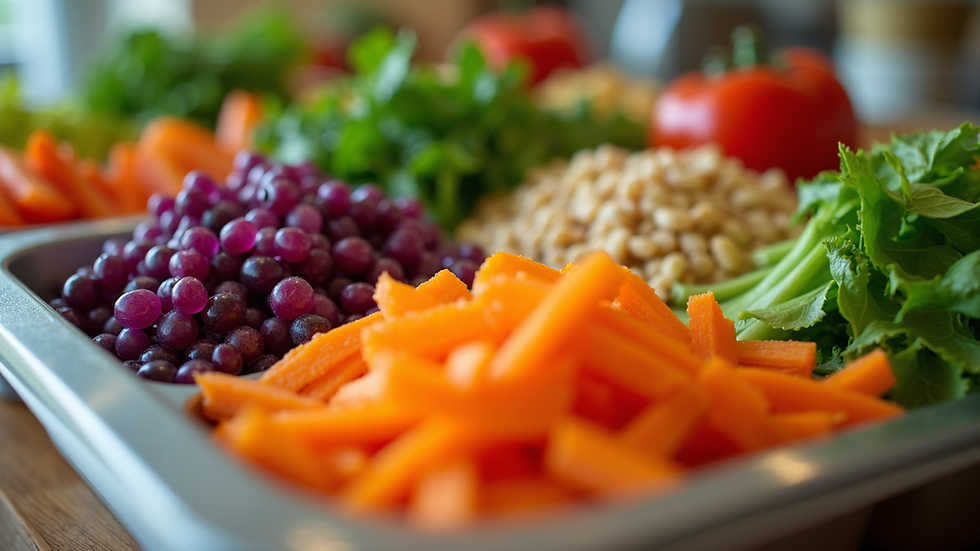
Understanding Meal Prep
Meal prep involves preparing meals in advance to ensure you have healthy options readily available throughout the week. This practice not only saves time but also helps you control portion sizes and make healthier choices. Here are some key benefits of meal prepping:
Time-Saving: Preparing meals in bulk means you spend less time cooking during the week.
Cost-Effective: Buying ingredients in bulk can save you money compared to purchasing individual meals.
Healthier Choices: When you prepare your meals, you have full control over the ingredients, allowing you to make healthier choices.
Reduced Stress: Knowing that your meals are ready can alleviate the stress of deciding what to eat each day.
Getting Started with Meal Prep
1. Plan Your Meals
Before you start cooking, take some time to plan your meals for the week. Consider the following steps:
Choose Your Recipes: Select a variety of recipes that include lean proteins, whole grains, and plenty of vegetables. Aim for a balance of flavors and textures to keep your meals interesting.
Create a Shopping List: Based on your chosen recipes, make a detailed shopping list to ensure you have all the necessary ingredients.
Consider Your Schedule: Think about your week ahead. Are there days when you’ll be busier than others? Plan for quick meals on those days.
2. Invest in Quality Containers
Having the right containers is essential for successful meal prep. Look for:
BPA-Free Plastic or Glass Containers: These are safe for storing food and can be reused multiple times.
Variety of Sizes: Different meal sizes require different container sizes. Invest in a mix of small, medium, and large containers.
Leak-Proof Options: To avoid spills, choose containers with secure lids.
3. Batch Cooking
Batch cooking is the cornerstone of meal prep. Here’s how to do it effectively:
Cook in Bulk: Prepare large quantities of grains, proteins, and vegetables at once. For example, cook a big batch of quinoa or brown rice, roast a tray of mixed vegetables, and grill several chicken breasts.
Use One-Pot Recipes: These recipes minimize cleanup and maximize flavor. Consider dishes like stir-fries, soups, or casseroles.
Incorporate Freezer Meals: Prepare meals that can be frozen and reheated later. Soups, stews, and chili are great options.
Storing Your Meals
1. Proper Cooling Techniques
Before storing your meals, ensure they are cooled properly to prevent bacterial growth. Follow these tips:
Cool Down Quickly: Divide large batches into smaller containers to help them cool faster.
Refrigerate Promptly: Store meals in the refrigerator within two hours of cooking.
2. Labeling
Labeling your containers helps you keep track of what you have and when it was prepared. Include:
Meal Name: Write the name of the dish on the label.
Date: Include the date it was prepared to ensure freshness.
Reheating and Enjoying Your Meals
1. Safe Reheating Practices
When it’s time to enjoy your prepped meals, follow these reheating tips:
Use a Microwave or Oven: Ensure your meals are heated evenly. Stirring halfway through reheating can help.
Check Temperature: Make sure your food reaches an internal temperature of 165°F (74°C) to ensure it’s safe to eat.
2. Add Fresh Ingredients
To keep your meals exciting, consider adding fresh ingredients when serving. This could include:
Herbs and Spices: Fresh herbs can enhance the flavor of your meals.
Dressings and Sauces: A drizzle of olive oil or a squeeze of lemon can brighten up a dish.
Overcoming Common Meal Prep Challenges
1. Time Constraints
If you find it challenging to dedicate a full day to meal prep, try these strategies:
Prep Smaller Portions: Instead of preparing meals for the entire week, focus on two to three days at a time.
Choose Quick Recipes: Opt for recipes that take 30 minutes or less to prepare.
2. Boredom with Meals
To avoid meal fatigue, consider these tips:
Rotate Recipes: Change your meal plan each week to include new recipes and flavors.
Experiment with Ingredients: Try different grains, proteins, and vegetables to keep things fresh.
Conclusion
Meal prepping is a powerful tool for anyone looking to improve their diet and overall health. By planning your meals, investing in quality containers, and practicing batch cooking, you can set yourself up for success. Remember to keep your meals interesting by rotating recipes and adding fresh ingredients when serving. With these tips, you’ll find that healthy eating becomes not only achievable but also enjoyable.
Now that you have the tools and knowledge to start meal prepping, why not give it a try? Start small, and gradually build your meal prep routine. Your future self will thank you!

Comments